
Published On: 23 August 2026
Cluster lashes offer a flexible way to customize lash appearance, but choosing, applying, and maintaining them correctly plays an important role in the final result.
This complete guide explains what cluster lashes are, how they are made, the materials behind their structure, and how different styles create different lash effects.
You will also discover how cluster lashes compare with other lash options, their benefits and limitations, and important aftercare practices for showering, cleaning, sleeping, and daily maintenance.
The article covers key factors that influence lash appearance and retention, helping you understand how cluster lashes work and how proper care supports a better lash experience.
What Are Lash Clusters
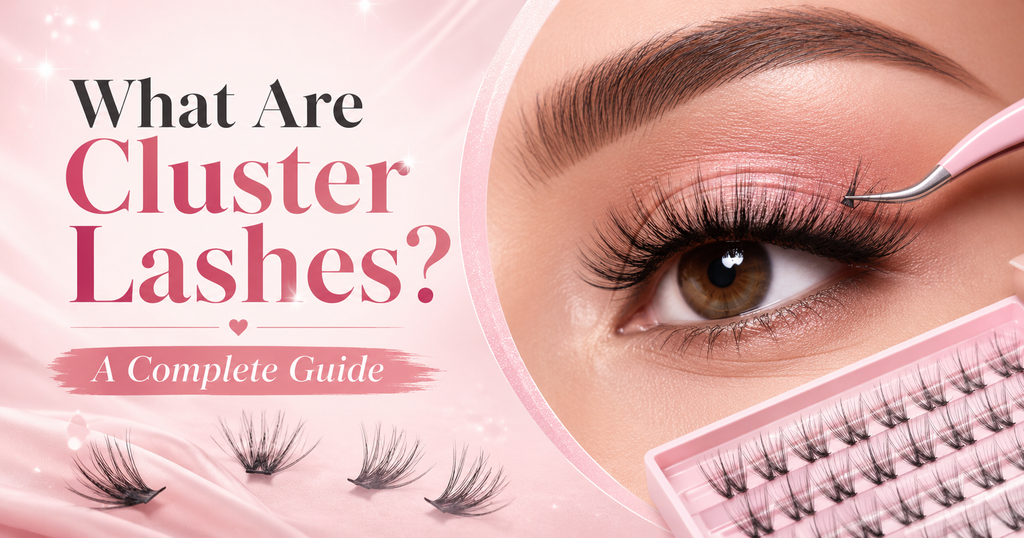
Cluster lashes are small sections of multiple synthetic false eyelash fibers that are grouped together at a shared base to create a fuller lash appearance without applying each lash fiber individually.
A lash cluster contains several fibers arranged into a single segment, which allows you to add volume, length, or a customized style to specific areas of your lash line.
Unlike strip lashes, which come as one complete band designed to cover the entire lash line, cluster lashes are separated into smaller pieces that give you more control over placement.
Unlike individual lash extensions, which are attached one extension at a time to isolated natural lashes, cluster lashes combine multiple fibers into a pre-made section for a quicker and more flexible lash enhancement option.
The structure of cluster lashes makes them a popular choice for users who want a customizable lash look with more control than traditional strip lashes while avoiding the time commitment of individual extension applications.
What Are Lash Clusters Made Of
Lash clusters are made from synthetic lash fibers that are arranged into small pre-designed sections to create different lash appearances.
The materials used in lash clusters determine important characteristics such as softness, flexibility, curl retention, weight, and overall appearance.
Modern lash clusters commonly use PBT (Polybutylene Terephthalate) synthetic fibers because this material allows manufacturers to create lightweight lash fibers with consistent shapes and durable curl patterns.
Read Here: types of false eyelashes
Why PBT Synthetic Fibers Became Popular for Lash Clusters
PBT synthetic fibers became popular for lash clusters because the material provides the flexibility and shape stability required for creating realistic-looking lash designs.
PBT fibers can be manufactured with different diameters, lengths, and curl patterns, which allows lash makers to produce natural, wispy, or more dramatic cluster styles.
PBT fibers maintain their structure because the thermoplastic material can hold a formed curl after heat shaping during production.
This property helps lash clusters preserve their intended appearance during regular use. The lightweight nature of PBT also allows lash fibers to create volume without relying on excessively thick strands.
The surface finish of PBT fibers influences the final look of lash clusters. Matte-finished fibers usually create a softer and more natural appearance, while smoother finishes can produce a darker and more defined lash effect.
The combination of fiber quality, thickness, curl, and arrangement determines how a lash cluster blends with the natural lashes.
The material alone does not define lash cluster quality. The fiber construction, cluster design, and manufacturing process also influence how the final lash segment performs, feels, and appears when applied.
Adhesive Binding Creates the Base Connection in Lash Clusters
Lash clusters use an adhesive binding point to hold multiple lash fibers together at their base and create a single lash segment. The adhesive connection joins individual fibers into a structured cluster that can be handled and positioned as one unit during lash application.
The base design affects how the lash cluster sits on the natural lash line because the bonding area determines the stability and flexibility of the lash segment.
The adhesive layer in a lash cluster is designed to maintain the relationship between the lash fibers while keeping the segment lightweight.
A well-constructed base allows the fibers to spread naturally and maintain their intended lash style, whether the cluster is designed for a soft, wispy appearance or a fuller volume effect.
The quality of the adhesive binding depends on factors such as adhesive formulation, bonding consistency, and manufacturing precision.
A balanced base connection helps prevent uneven fiber separation and supports a more uniform lash appearance when the cluster is placed correctly.
Heat Bonding Creates a Seamless Base Structure in Lash Clusters
Heat bonding creates a lash cluster base by using controlled heat to join synthetic lash fibers together without relying only on additional binding materials.
The heat application shapes and secures the lower section of the fibers, creating a compact foundation that keeps the cluster structure intact.
The heat bonding process allows manufacturers to create different cluster designs by controlling the arrangement, thickness, and spread of lash fibers at the base.
This method helps produce consistent lash segments with defined shapes, including natural, wispy, and volume-focused styles.
The final quality of a heat-bonded lash cluster depends on production control, fiber placement, and temperature management during manufacturing.
Properly formed bases help the lash cluster maintain its structure while allowing the upper fibers to create a softer and more natural-looking lash effect.
How Are Lash Clusters Made
Lash clusters are made through a controlled manufacturing process that transforms individual synthetic lash fibers into pre-arranged lash segments.
The production process involves selecting suitable lash fibers, shaping them into specific curl patterns, arranging multiple fibers together, and securing them into a stable cluster structure.
Each manufacturing stage affects the final appearance, flexibility, weight, and consistency of the lash cluster.
The manufacturing process begins with synthetic fibers such as PBT, which are shaped into different lengths, thicknesses, and curls according to the desired lash style. Lash fibers are then positioned together to create a cluster design that can produce natural, wispy, or voluminous effects.
The base of the cluster is formed using methods such as adhesive bonding or heat bonding to keep the fibers connected as one usable lash segment.
The final production stage focuses on quality control, where manufacturers check the lash cluster structure, fiber alignment, curl consistency, and overall finish.
Proper manufacturing ensures that each lash cluster maintains a balanced appearance and provides a predictable result when placed along the natural lash line.
Handmade and Machine-Made Lash Clusters Create Different Production Methods
Handmade and machine-made lash clusters use different manufacturing approaches to create lash segments with specific characteristics.
Handmade lash clusters involve manual arrangement of lash fibers, which allows greater control over individual designs and detailed customization. This method can be useful for creating specialized lash styles where small variations in fiber placement are required.
Machine-made lash clusters use automated equipment to arrange and shape lash fibers with greater consistency and production efficiency. The manufacturing machinery helps maintain uniformity in fiber length, curl pattern, and cluster structure across larger quantities of lash products.
The choice between handmade and machine-made production depends on factors such as design requirements, production scale, and quality control standards.
Both methods can create high-quality lash clusters when manufacturers maintain accurate fiber placement and proper base construction.
Modern Manufacturing Techniques Used in Lash Cluster Production
Modern manufacturing techniques improve the consistency, structure, and design flexibility of lash clusters by combining precise fiber arrangement with controlled production methods.
Lash manufacturers use advanced processes to shape synthetic fibers, create specific curl patterns, and form balanced cluster structures that maintain a uniform appearance.
Precision-based manufacturing methods help control important lash attributes such as fiber placement, thickness, length variation, and base formation.
These production controls allow manufacturers to create different lash cluster styles, including natural, wispy, and volume-focused designs, while maintaining consistency between individual lash segments.
Advanced design approaches can also improve the microstructure of lash clusters by optimizing how individual fibers are arranged within each segment.
The arrangement of lash fibers influences the final appearance, weight distribution, and how naturally the cluster blends with the natural lash line.
The use of modern manufacturing technology does not replace the importance of material quality and construction methods.
Lash cluster performance depends on the combination of fiber selection, base bonding technique, design accuracy, and overall production quality.
How Lash Mapping and Packaging Help Create Different Cluster Lash Looks
Lash cluster mapping and packaging systems help you create different lash looks by organizing cluster lashes according to length, curl, and placement style.
Lash cluster map refers to the planned arrangement of lash segments across different areas of the lash line, which helps create specific effects such as natural, wispy, lifted, or more dramatic appearances.
Lash cluster packaging supports this process by keeping different lash lengths and styles organized for easier selection and placement.
A well-arranged lash tray allows you to identify the required cluster sizes quickly and follow a planned design instead of choosing lash segments randomly.
The combination of lash mapping and organized packaging gives you more control over the final appearance of cluster lashes.
The placement pattern, fiber length, curl type, and cluster density work together to influence how the lashes frame the eyes and complement different eye shapes.
Types of Lash Clusters Create Different Lash Effects
Lash clusters are available in different designs that help create specific eye looks based on fiber arrangement, length, curl, and density. The main types include natural clusters, wispy clusters, and volume clusters, each creating a different level of definition and fullness.
- Natural lash clusters use lighter fiber arrangements to create a subtle enhancement that blends with the natural lashes. They are suitable for users who prefer a softer everyday appearance.
- Wispy lash clusters combine different fiber lengths to create a textured and feathered effect. The uneven fiber pattern helps produce a more layered and natural-looking finish.
- Volume lash clusters contain denser fiber arrangements that create a fuller and more dramatic lash appearance. They are designed for users who want increased lash density.
Lash clusters also vary in length and curl type. Shorter lengths create a softer effect, while longer fibers add more visible extension. Different curl patterns change the lift and direction of the lashes, allowing you to create various lash styles.
(You can explore different lash cluster styles and designs in our detailed Types of Lash Clusters guide.)
Are Cluster Lashes Good
Cluster lashes can be a good option for users who want a customizable lash look without committing to professional lash extensions.
Their pre-made lash segments allow you to add volume, length, and definition in specific areas of the lash line.
The suitability of cluster lashes depends on your preferred style, application skill, and how carefully you maintain them.
Benefits of Lash Clusters
- Customizable lash appearance: Cluster lashes allow you to adjust the amount of volume and length by placing different lash segments according to your desired look.
- Natural-looking finish: Lightweight cluster designs with suitable lengths and curls can blend with natural lashes for a softer appearance.
- Flexible styling options: Different cluster sizes, curls, and densities allow you to create natural, wispy, or fuller lash effects.
- Lightweight feel: Properly designed lash clusters can provide added definition without the heavier feel of some traditional false lash styles.
Limitations of Lash Clusters
- Application requires practice: Beginners may need time to learn proper placement because uneven positioning can affect the final appearance.
- Maintenance affects results: Poor cleaning habits, excessive rubbing, or incorrect product use can reduce wear time and affect lash appearance.
- Improper use can stress natural lashes: Heavy clusters or incorrect application methods may place unnecessary weight on natural lashes.
Cluster lashes can work well for many users when the right style is selected and proper application and care practices are followed.
Read Here: Do Lash Clusters Ruin Your Lashes
Can I Put Mascara on Cluster Lashes
Mascara can be applied on some cluster lashes, but the result depends on the lash fiber type, adhesive connection, and the formula of the mascara.
Synthetic lash fibers such as PBT can usually hold mascara, but repeated application can change the original texture and appearance of the fibers.
Mascara can affect the adhesive bond that keeps lash clusters attached. Oil-based or waterproof mascara formulas can be more difficult to remove cluster lashes because they often require stronger cleansing products, which may weaken the adhesive connection over time.
Mascara removal can also become more challenging because product buildup can collect between the lash fibers and around the cluster base.
Excessive rubbing during removal may disturb the lash placement or damage the cluster structure.
If you want to maintain the original shape, softness, and wear of cluster lashes, choosing pre-designed lash styles with the desired volume is usually a better option than adding multiple mascara layers.
A light mascara application may work for some lash clusters, but removal should always be gentle and compatible with the adhesive used.
Can I Shower With Cluster Lashes
You can shower with cluster lashes, but water exposure, steam, and cleansing habits can affect how long they maintain their appearance. The main concern is not the water itself but how moisture, heat, and pressure interact with the adhesive bond that holds the lash clusters in place.
Freshly applied cluster lashes require time for the adhesive bond to fully set. Exposing the lash base to excessive moisture or steam too soon can weaken the connection between the cluster and natural lashes.
Showering habits also influence lash retention. Hot water, direct water pressure on the eyes, and rubbing the lash area can disturb the cluster structure or loosen the adhesive over time.
To protect cluster lashes during showers, avoid directing strong water flow toward the eyes, use gentle cleansing methods, and dry the lash area carefully without rubbing. Proper aftercare helps maintain the shape, placement, and overall appearance of cluster lashes.
Do Lash Clusters Come Off in the Shower
Lash clusters do not usually come off immediately in the shower when they are applied correctly and the adhesive bond has fully set. However, repeated exposure to water, steam, and cleansing products can affect how long the clusters stay attached.
The main factor affecting lash cluster retention during showering is the adhesive bond at the base of the lash segment. Excessive moisture and heat can soften some lash adhesives, which may reduce the strength of the connection between the cluster and natural lashes.
The showering method also influences lash cluster durability. Strong water pressure, hot steam, and rubbing the eye area can disturb the lash placement and cause clusters to loosen earlier.
A gentle shower routine helps protect lash clusters by avoiding direct pressure on the lashes and preventing unnecessary friction around the lash line. Proper aftercare allows the clusters to maintain their shape and attachment for longer.
How Water and Steam Can Impact Retention
Water and steam can influence lash cluster retention by affecting the adhesive bond that connects the lash cluster base with natural lashes.
Water exposure alone does not always remove lash clusters, but frequent moisture can weaken some adhesive formulas over time.
Steam creates a warmer and more humid environment around the lash line. Heat and humidity can soften the adhesive layer, which may reduce the stability of the lash cluster attachment.
Lash cluster fibers usually maintain their shape during normal water exposure, but excessive rubbing after showering can disturb the lash placement.
Proper curing time after application helps the adhesive develop a stronger bond before exposure to water and steam.
A gentle shower routine protects the lash adhesive and helps maintain the original lash shape and retention period.
How to Shower With Cluster Lashes
Showering with cluster lashes requires gentle care to protect the adhesive bond and maintain lash placement.
Wait until the lash adhesive has fully cured before exposing cluster lashes to water.
Use lukewarm water because high temperatures and steam can soften some adhesive formulas.
Avoid directing strong water pressure toward the lash line because friction can disturb the lash clusters.
Clean the eye area gently with a suitable cleanser that does not contain oil-based ingredients.
Pat the lashes dry with a soft towel instead of rubbing the fibers.
For detailed maintenance steps, follow a dedicated guide on how to clean cluster lashes.
Follow Proper Aftercare Right After Cluster Lash Application
Wait 24 Hours After Application
Cluster lash adhesive requires enough time to develop a secure connection between the lash cluster base and natural lashes.
Avoid excessive water exposure, steam, and heavy moisture during the initial curing period because these conditions may affect adhesive performance.
Gentle handling during the first 24 hours helps reduce unnecessary stress on the lash clusters and supports longer retention.
Don’t Rub Your Eyes or Lashes
Direct pressure and excessive heat can affect the stability of cluster lashes after application.
Rubbing the eyes creates friction around the lash line, which can loosen the adhesive connection between the lash clusters and natural lashes.
Eye rubbing can also change the position of individual lash clusters and affect the original lash mapping.
High heat from sources like steam, saunas, or hot air can soften some lash adhesives and reduce retention strength.
Gentle handling protects the lash fibers, maintains the adhesive bond, and helps cluster lashes keep their shape for a longer period.
Avoid Direct Pressure and High Heat
Direct pressure and high heat can affect cluster lash retention by disturbing the adhesive bond and changing lash placement.
Cluster lash adhesive performs best when the lash base remains stable without unnecessary friction or heat exposure.
High temperatures from steam, saunas, or hot air can soften some adhesive formulas and reduce attachment strength.
Gentle handling helps protect the lash fibers and keeps the lash clusters aligned with the original application style.
Use a Lash Sealant During Application
Lash sealants create an additional protective layer over the adhesive area after cluster lash application.
A lash sealant can help protect the adhesive bond from moisture, oils, and daily environmental exposure.
The sealant layer supports better retention by reducing factors that may weaken the connection between the lash cluster base and natural lashes.
Skip Oil-Based Products
Oil-based products can affect lash adhesive performance because oils may break down the bond between the lash cluster base and natural lashes.
Cleansers, makeup removers, and eye products with heavy oils can reduce retention when they contact the lash line regularly.
Clean Lashes With a Lash-Safe Cleanser
A lash-safe cleanser removes makeup, dust, and natural oils without creating unnecessary stress on the adhesive bond.
Gentle cleansing helps maintain lash cluster hygiene while protecting the lash fibers and application structure.
Water-based or lash-compatible formulas are generally preferred for maintaining cluster lash appearance and retention.
Can I Wash My Face With Cluster Lashes
You can wash your face with cluster lashes, but gentle techniques help protect the adhesive bond and lash placement.
Use a mild, lash-safe cleanser around the eye area because harsh formulas can weaken the adhesive connection.
Avoid rubbing the lash line because friction can loosen the lash clusters or change their position.
Oil-based cleansers and makeup removers should be avoided because oils may affect adhesive performance.
Pat the face dry carefully after washing instead of pulling or pressing against the lash fibers.
A gentle cleansing routine helps maintain lash cluster hygiene while supporting longer retention and a consistent lash appearance.
How To Wash Your Face With Cluster Lashes
Washing your face with cluster lashes requires a gentle routine to protect lash placement and adhesive strength.
Use a lash-safe cleanser around the eyes because strong formulas can affect lash retention.
Avoid direct rubbing on the lash line because friction can loosen cluster lashes.
Remove makeup carefully with oil-free products because oils may reduce adhesive performance.
Pat the face dry with a clean towel because pulling motions can disturb the lash clusters.
For a complete cleaning routine, follow a dedicated How to Clean Cluster Lashes guide.
Can You Curl Cluster Lashes
Curling cluster lashes depend on the lash material, curl shape, and adhesive used during application.
Most cluster lashes already come with a designed curl, such as C curl or D curl, to create a specific eye effect.
A heated lash curler can affect the lash fibers and weaken the bond between the clusters and natural lashes.
A traditional eyelash curler can create pressure on the lash base, which may disturb the placement of cluster lashes.
For a more customized look, choose cluster lashes with the desired curl style before application instead of reshaping them afterward.
Can You Keep Cluster Lashes On Overnight
Keeping cluster lashes on overnight depends on the lash adhesive, application quality, and aftercare routine.
Cluster lashes can stay in place during sleep when the adhesive has fully bonded and the lashes are applied correctly.
Sleeping positions can create pressure on cluster lashes, which may affect their shape and retention.
A silk or satin pillowcase can reduce friction around the eye area during sleep.
Avoid touching or rubbing the lashes after waking because unnecessary pressure can loosen the clusters.
Proper cleaning and maintenance help keep cluster lashes looking fresh for longer wear.
How to Sleep With Cluster Lashes Without Damaging Them
Use a Sealant Before Bed
A lash sealant can help protect cluster lashes during overnight wear by creating a barrier around the adhesive area. The sealant helps reduce the impact of moisture, natural oils, and friction that may weaken lash retention.
Applying a suitable sealant after the cluster lash application routine can support a stronger bond and help maintain the lash placement while sleeping.
Avoid Heavy Skincare Around the Eyes
Heavy skincare products around the eyes can affect cluster lash retention during sleep. Eye creams, facial oils, and rich moisturizers can move toward the lash line and interfere with the adhesive area.
Keeping the eye area free from oil-based products helps preserve the connection between natural lashes and cluster lashes.
Sleep on a Silk or Satin Pillowcase
A silk or satin pillowcase can reduce friction between cluster lashes and the pillow surface. Cotton pillowcases may create more resistance when the lashes touch the fabric during movement.
A smoother surface helps prevent unnecessary pulling, bending, or shifting of cluster lashes overnight.
Avoid Eye Pressure While Sleeping
Sleeping position can affect how long cluster lashes maintain their shape and placement. Side sleeping or stomach sleeping can press the lashes against pillows and create unnecessary friction.
Back sleeping helps keep the eyelashes away from direct contact with fabric and reduces pressure on the lash clusters. A stable sleeping position allows the lash adhesive area to remain undisturbed throughout the night.
Use a Lash-Safe Sleep Mask
A lash-safe sleep mask can protect cluster lashes from accidental rubbing during sleep. Regular sleep masks may press directly against the lash fibers and change their shape.
A specially designed sleep mask provides enough space around the eyes while blocking light. The extra clearance helps cluster lashes stay lifted and maintain their appearance.
Avoid Sleeping Immediately After Application
Freshly applied cluster lashes need time for the adhesive bond to become stable. Sleeping immediately after application can expose the lashes to pressure, movement, and fabric friction.
Waiting until the lash adhesive has properly set helps reduce the chance of shifting or premature lash loss.
Keep Your Lashes Clean
Clean cluster lashes maintain better appearance and retention during extended wear. Natural oils, makeup residue, and daily buildup can collect around the lash line.
A lash-safe cleanser helps remove impurities without weakening the adhesive bond. Regular cleaning supports healthier-looking lashes and keeps the clusters lightweight.
Avoid Rubbing Your Eyes
Rubbing the eyes can create mechanical stress on cluster lashes and disturb their attachment. The pressure from fingers can pull the lash clusters away from the natural lashes.
Gentle handling protects the lash structure and helps maintain the original placement.
Brush Your Lashes in the Morning
Morning lash brushing helps restore the shape of cluster lashes after sleeping. A clean spoolie brush can separate tangled fibers and align the lash clusters.
Gentle brushing keeps the lashes looking neat without adding stress to the adhesive area. Regular maintenance helps preserve a polished lash appearance.
Who Are Cluster Lashes Best For
Cluster lashes are best suited for people who want flexible lash enhancement without committing to long-term extensions. DIY lash users can apply cluster lashes at home because the lash segments allow more control over placement, volume, and overall style.
The customizable design helps users create natural, wispy, or fuller lash looks based on their personal preference.
Temporary lash enhancement users can choose cluster lashes for events, photoshoots, vacations, or occasions where they want an upgraded eye appearance for a limited period.
Cluster lashes provide a balance between strip lashes and professional extensions because they offer a more personalized finish while remaining removable.
Cluster lashes may not be the right choice for users who want the longest possible retention with minimal maintenance. Professional lash extensions use specialized application methods that are designed for extended wear.
Users who prefer salon-level longevity may need a different lash solution that matches their maintenance expectations.
Conclusion
Cluster lashes provide a customizable lash enhancement option for users who want control over volume, length, and overall style.
Their design, materials, manufacturing process, and application methods influence how they look and perform.
Proper aftercare helps maintain cluster lash appearance by protecting the adhesive bond, avoiding unnecessary friction, and using suitable cleaning methods.
Shower habits, skincare choices, sleeping routines, and gentle handling all play a role in keeping lashes looking consistent.
Understanding these factors allows users to make informed decisions about cluster lashes and maintain their desired lash style with better care.