
Published on: 10 September 2025
Getting a Brazilian wax leaves your skin smooth and refreshed, but the real work begins once you leave the salon. Immediately after waxing, the skin barrier is weakened and pores remain open, making the area more vulnerable to irritation, ingrown hairs, breakouts, and even infection.
That’s why aftercare isn’t optional—it’s essential. The right post-wax routine not only soothes sensitivity but also helps extend your results and protect your skin from complications.
Whether it’s your first wax or part of your regular routine, understanding what to do—and what to steer clear of—in the first 48 hours makes all the difference in how well your skin recovers.
In this guide, we’ll break down dermatologist-approved Brazilian wax aftercare, starting with the key steps to follow immediately after your appointment.
What To Do After a Brazilian Wax
Caring for your skin after a Brazilian wax is just as important as to do Brazilian wax with proper care. The right aftercare not only soothes sensitivity but also helps prevent irritation, ingrown hairs, and breakouts—ensuring you get the smoothest, longest-lasting results. Here’s what to focus on once you leave the salon:
- Keep Your Area Clean
- Cool the Area
- Prevent Hairs From Growing In
- Scrub Your Area
- Moisturize Your Skin Afterwards
- Use Post-Wax Products
- Wear Loose Clothes
- Consult With a Dermatologist
- Schedule Regular Maintenance
Keep Your Area Clean
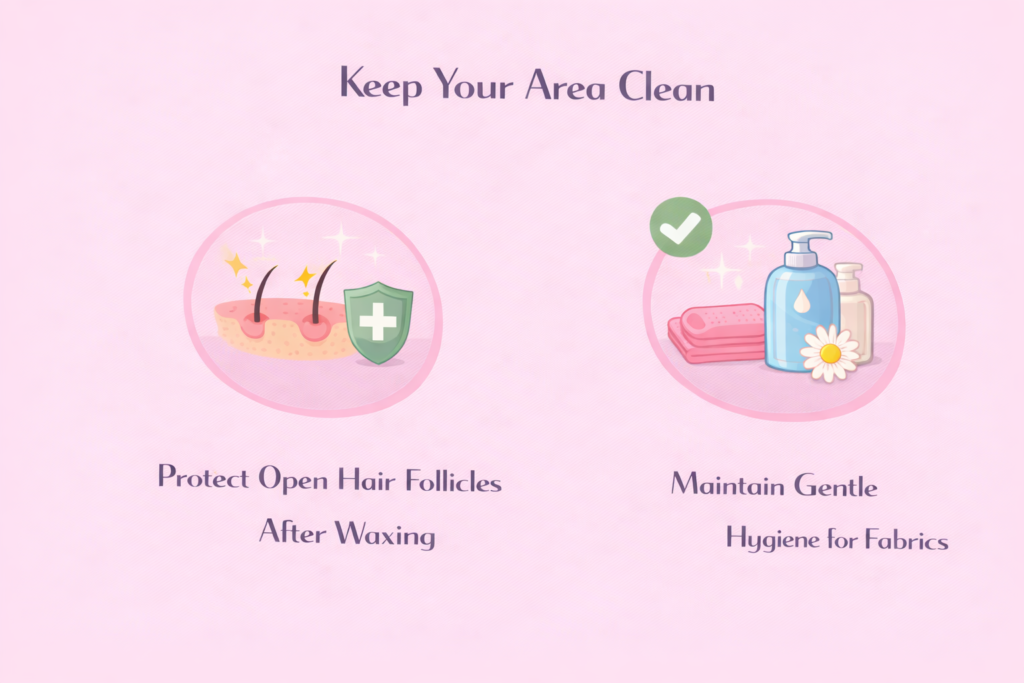
After a Brazilian wax, the skin becomes especially sensitive because hair follicles are left open and the process itself causes minor trauma. This makes proper aftercare critical, as the area is more prone to infection, irritation, or breakouts if neglected.
Research highlights that traumatic hair removal during Brazilian waxing can increase the risk of infection, which is why maintaining hygiene in the hours following treatment is non-negotiable.
Simple steps, such as washing your hands before touching the area and minimizing unnecessary contact for the first 24–48 hours, can significantly lower these risks.
Even a small amount of bacteria introduced at this stage may lead to flare-ups, so gentle cleansing with a mild, fragrance-free product and carefully patting the area dry is the safest approach.
Cool The Area
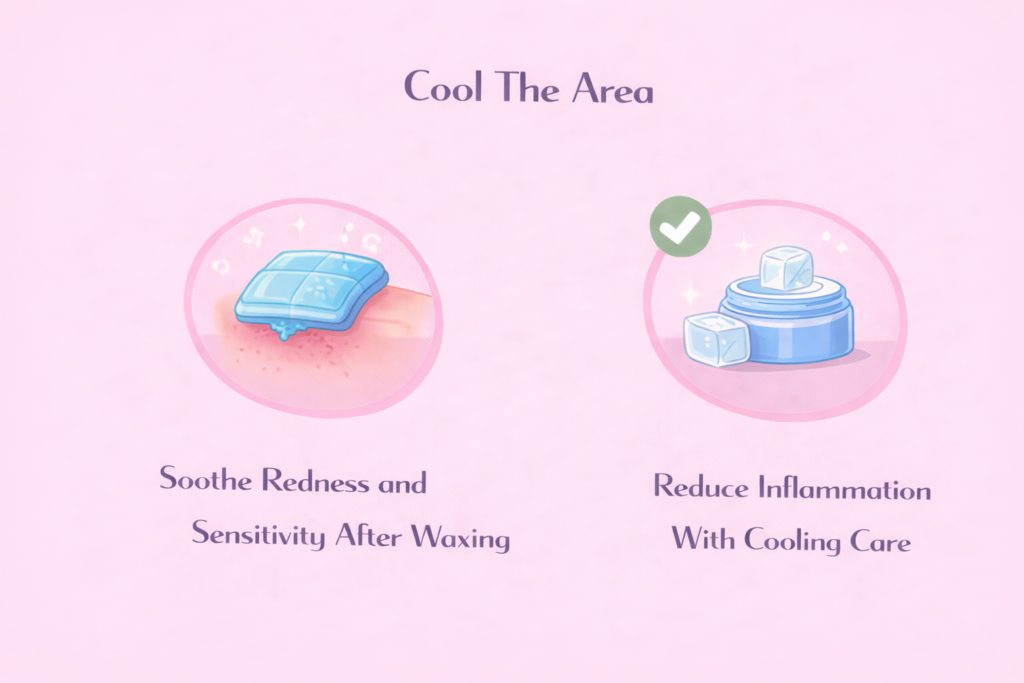
Cooling the skin immediately after a Brazilian wax is one of the most effective ways to calm irritation. Freshly waxed areas experience microtrauma, leaving nerve endings hypersensitive and prone to redness, swelling, and discomfort.
Applying a clean, damp, cold cloth or a gel ice pack wrapped in a towel for 10–15 minutes at a time helps reduce inflammation and speed up recovery. Research supports this practice, showing that low temperatures constrict blood vessels, limit blood flow to inflamed tissue, and effectively reduce swelling and pain.
For added relief, chilling your post-wax lotion or aloe vera gel before use enhances the soothing effect. By prioritizing immediate cooling, you not only ease discomfort but also support faster healing and healthier-looking skin after waxing.
Prevent Hairs From Growing In
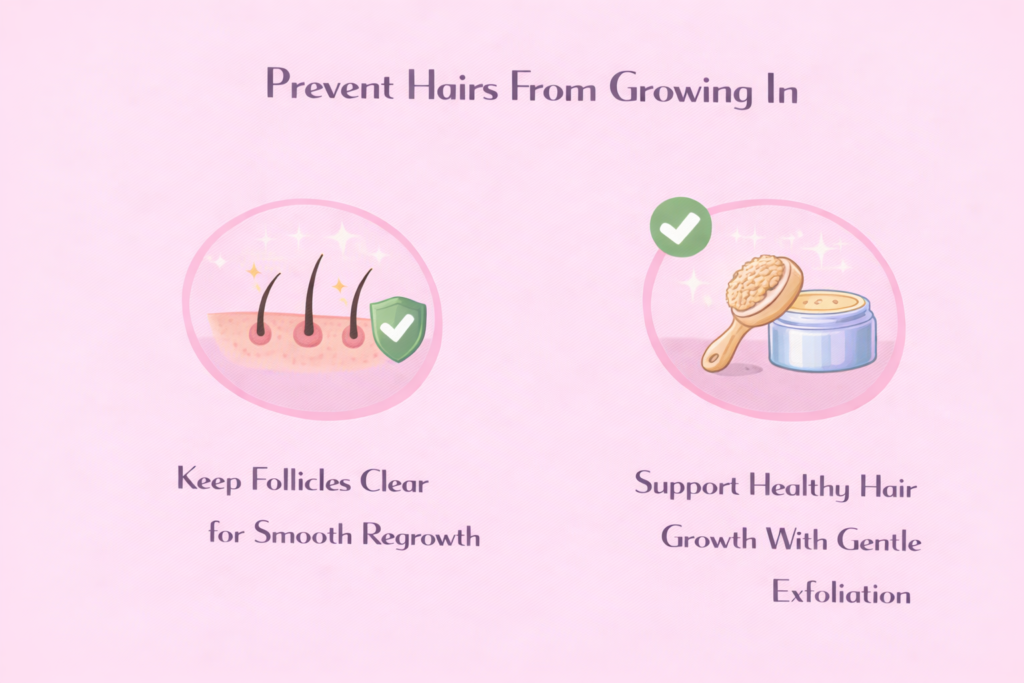
Ingrown hairs are one of the most common and frustrating issues that follow a Brazilian wax. They form when new hair curls back into the skin instead of breaking through the surface, a problem often caused by clogged follicles and dead skin buildup.
This risk is heightened for people with coarse or curly hair, as waxing leaves the follicles temporarily inflamed and more prone to obstruction. To counter this, gentle exfoliation should begin 48 to 72 hours after waxing, once the skin has calmed enough to tolerate it.
Chemical exfoliants such as glycolic or salicylic acid are particularly effective because they dissolve buildup without being harsh. As dermatologist Dr. Dendy Engelman explains, these acids work by breaking down the bonds between skin cells, encouraging regeneration of newer, healthier skin.
Incorporating this step into your weekly routine lowers the chances of ingrown hairs and creates the right conditions for smooth, irritation-free regrowth.
Scrub Your Area
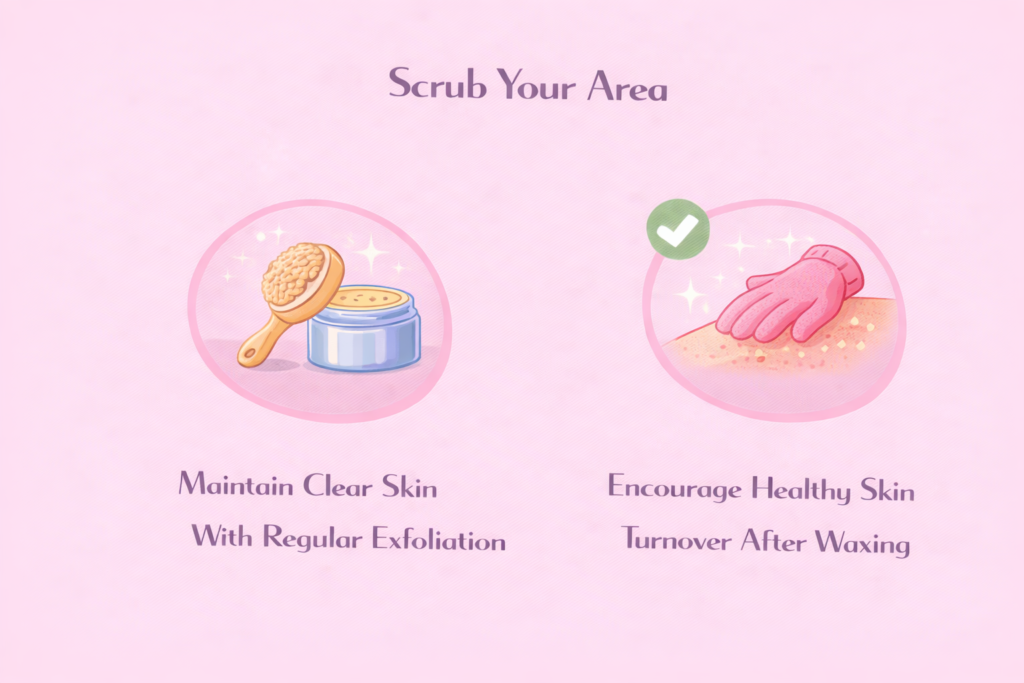
Exfoliation becomes a key step in Brazilian wax aftercare once the skin has settled from its initial sensitivity, usually 48 to 72 hours post-treatment. By removing dead skin cells and clearing debris from follicles, exfoliation promotes skin renewal, prevents congestion, and helps maintain a smoother finish for longer.
Using a soft washcloth, exfoliating mitt, or body glove two to three times per week in the shower is generally sufficient, though frequency can vary. Those with coarse hair or a tendency toward ingrowns may benefit from more regular exfoliation, while sensitive skin types should limit it to every third day.
The aim is steady upkeep rather than aggressive scrubbing—light, circular motions protect the skin’s barrier while encouraging healthy turnover. For added support, rotating in a mild chemical exfoliant with glycolic or lactic acid can enhance results without causing irritation.
With consistency, exfoliation not only keeps the skin clear and refreshed but also sets the stage for smoother, more effective waxing sessions in the future.
Moisturize Your Skin Afterwards
Hydrating the skin after a Brazilian wax is just as vital as cleansing and exfoliating. Because waxing strips away not only hair but also some of the skin’s natural oils, the area is often left drier and more sensitive than usual.
Daily moisturizing restores balance, improves elasticity, and creates the right conditions for new hair to grow out without getting trapped. Well-hydrated skin is far less likely to develop irritation or rough texture, making it a key step in long-term maintenance.
The best choice is a fragrance-free, non-comedogenic moisturizer formulated for sensitive or post-wax care. Ingredients such as aloe vera, chamomile, and glycerin soothe inflammation while reinforcing the skin’s barrier.
Research also shows that glycerin supports internal moisture retention, which strengthens barrier function and overall skin health.
For best results, dermatologists recommend applying moisturizer while the skin is still slightly damp to lock in hydration. By making this a daily habit—especially during the first week after waxing—you set the foundation for skin that heals quickly and stays soft, smooth, and irritation-free.
Use Post-Wax Products
Post-wax products provide targeted care that goes beyond basic cleansing and moisturizing. These treatments are formulated to soothe inflammation, calm redness, and reduce the risk of common issues such as bumps, breakouts, or ingrown hairs.
Once the initial 24-hour healing period has passed, they can make a noticeable difference in comfort, particularly for those with sensitive or reactive skin. Popular options include ingrown-hair serums, cooling gels, and lightweight anti-inflammatory creams, all of which keep follicles clear and support smoother regrowth.
Natural ingredients like tea tree oil, chamomile, and lavender add extra soothing benefits while promoting clarity. For more persistent reactions—such as prolonged redness or itching—a short course of 1% hydrocortisone cream may help calm irritation.
While not everyone requires these treatments, using them wisely can help prevent post-wax complications and maintain healthier skin between sessions, making them a valuable addition to your aftercare routine.
Wear Loose Clothes
Allowing your skin to breathe after a Brazilian wax is a crucial step in recovery. Loose clothing made from breathable fabrics such as cotton or bamboo promotes airflow, balances moisture, and encourages healing without unnecessary friction.
These natural fibers create a dry, ventilated environment that is ideal for freshly waxed skin. The American Academy of Dermatology also recommends wearing loose clothing after waxing to minimize irritation and protect the area during the healing phase.
For the first 24 to 48 hours, opt for flowy pants, cotton underwear, or loose dresses that reduce surface contact. Even at home, spending a few hours without underwear can further limit sweat buildup and give the skin the freedom it needs to recover.
By prioritizing breathable clothing, you not only support faster healing but also reduce the chances of discomfort, bumps, or ingrown hairs.
Consult With Dermatologist
While most post-wax side effects such as redness or sensitivity resolve within a day or two, lingering or severe symptoms can signal an underlying issue.
If irritation lasts beyond 48 hours, or if you notice swelling, pus, painful cyst-like bumps, or persistent itching, it may point to infection, folliculitis, or an allergic reaction.
Dermatologists emphasize that seeking expert advice early prevents complications and ensures any treatment—whether a soothing cream or prescription antibiotic—is safe for use in intimate areas.
This precaution is especially important for people with conditions like eczema, psoriasis, or keratosis pilaris, where the skin barrier is already compromised. By consulting a dermatologist when symptoms persist, you safeguard your recovery and ensure your aftercare routine supports—not aggravates—your skin’s long-term health.
Schedule Regular Maintenance
Following a consistent waxing schedule is one of the most effective ways to make Brazilian waxes less painful and more successful over time.
Regular sessions help train hair to grow back finer and sparser, which not only improves comfort during future appointments but also lowers the risk of ingrown hairs, breakouts, and irritation between treatments.
Most professionals recommend scheduling a wax every four to six weeks, depending on your individual growth cycle. You can book professional home waxing services in Dubai through a trusted beauty salon for convenient and reliable upkeep.
Waxing too early may not fully remove hair from the root and can irritate the skin, while waiting too long allows hair to grow coarse again, increasing discomfort. Keeping to this timeline ensures the hair is in the ideal anagen growth phase, when it is strongest at the root and easiest to extract.
As skincare experts emphasize, maintaining a steady routine leads to smoother skin, reduced regrowth, and a consistently more comfortable waxing experience.
What Not To Do After a Brazilian Wax
The first 24 to 48 hours after your wax are the most critical for healing and preventing irritation. During this time, your skin is at its most sensitive, so a few activities and habits should be put on hold to protect your results and avoid complications. Here’s what to skip right after your appointment:
- Stay Out of the Sun
- Skip Intimacy Right After Waxing
- Steer Clear of Excessive Heat & Sweating
- Hold Off on Cosmetic Products
- Don’t Swim in Chlorinated Pools or the Sea
- Postpone Massages for a Few Days
- Press Pause on Exercise
- Keep Hands Off the Area
- Say No to Tight Clothing
- Delay Exfoliation
- Leave Perfume for Later
- Put the Razor Away
Avoid Sun Exposure
Protecting your skin from the sun is a crucial but often overlooked part of post-wax care. Freshly waxed skin is highly vulnerable to sun damage because the top protective layer has been stripped away and the pores remain temporarily open.
This heightened sensitivity makes the area more prone to sunburn, irritation, and even post-inflammatory hyperpigmentation if exposed to UV rays too soon. As skincare specialist Adriana Mendez explains, waxing removes a superficial layer of skin, leaving cells more susceptible to ultraviolet damage—one of the main reasons sunbathing is discouraged immediately after waxing.
To reduce these risks, most professionals recommend avoiding direct sunlight and tanning beds for at least 24 to 48 hours post-wax. Allowing your skin this recovery period strengthens its barrier and helps prevent long-term concerns such as discoloration, irritation, and premature aging.
Skip Intimacy Right After Waxing
Sexual activity should be avoided for at least 24 to 48 hours after a Brazilian wax because the freshly waxed area is inflamed, exposed, and highly vulnerable to irritation or infection. Waxing not only removes hair but also strips away a thin layer of protective skin cells, creating microtrauma and leaving hair follicles open.
This makes it easier for bacteria, sweat, and friction to trigger complications such as folliculitis, irritation, or even sexually transmitted infections.
According to Dr. Jennifer MacGregor, the pulling action of waxing creates micro-trauma in the follicles, giving bacteria and yeast a direct pathway into the skin. Dermatologist Dr. Shari Lipner further warns that sexual activity after waxing can increase susceptibility to STDs such as HPV and molluscum contagiosum, underscoring the heightened vulnerability of the skin during this period.
Even if infection does not occur, the additional friction and heat from sexual contact can worsen sensitivity and delay the skin’s natural healing process. By waiting the recommended 24 to 48 hours, you allow the skin to settle, the follicles to close, and reduce the risk of both discomfort and long-term complications.
Steer Clear of Excessive Heat & Sweating
For at least 24 to 48 hours after a Brazilian wax, it’s crucial to avoid environments and activities that cause overheating or excessive sweating. This includes hot showers, steam rooms, saunas, hot yoga, and high-intensity workouts.
During this period, the skin is inflamed and the follicles remain open, making it more susceptible to irritation and bacterial entry.
Experts explain that exposure to high temperatures can further aggravate freshly waxed skin and create the perfect conditions for bacteria to thrive, particularly when the skin barrier is temporarily weakened. This combination heightens the risk of breakouts, folliculitis, or prolonged redness.
By keeping your body cool and your skin dry, you allow the healing process to progress naturally, minimize inflammation, and protect against post-wax complications.
Hold Off on Cosmetic Products
The first 24 to 48 hours after a Brazilian wax are a critical recovery period when your skin needs to be left undisturbed. Applying cosmetic products—such as scented lotions, oils, deodorants, toners, retinoids, or alpha hydroxy acids—too soon can disrupt healing and trigger complications.
Waxing strips away the protective layer of dead skin cells and leaves follicles open, making the area tender and highly permeable. Products with fragrance, alcohol, or strong actives often cause stinging, rashes, clogged follicles, or allergic reactions during this stage.
Dermatologists caution that freshly waxed skin is especially prone to irritation. A Medical News Today feature reinforces this, advising the use of only fragrance-free, non-comedogenic moisturizers while avoiding active ingredients like retinol or glycolic acid.
By waiting until the skin has fully calmed before resuming your regular skincare routine, you protect its barrier, prevent irritation, and ensure a smoother recovery.
Don’t Swim in Chlorinated Pools ( Swimming )

Swimming in pools, hot tubs, or the ocean immediately after a Brazilian wax can expose your skin to irritation and infection. Waxing opens hair follicles and removes part of the protective skin barrier, leaving the area more sensitive and less equipped to defend against external irritants.
Chlorine, though widely used as a disinfectant, is a harsh chemical that dries and irritates freshly waxed skin. Experts warn that direct exposure to chlorine or other pool chemicals too soon can cause redness, itching, or even trigger infections.
Similarly, communal water sources such as public pools and hot tubs harbor bacteria that may easily penetrate open follicles, raising the risk of folliculitis. Even natural alternatives like saltwater or mineral baths can sting and aggravate the delicate skin during the first 24 to 48 hours.
To avoid complications, stick to short, lukewarm showers during the recovery period and wait at least 48 hours before submerging the waxed area in any type of water.
Postpone Massages for a Few Days
Massages and body treatments should be avoided for at least 24 to 48 hours after a Brazilian wax to protect the skin during its most vulnerable phase. Waxing weakens the skin barrier and leaves follicles open, making the area more sensitive to pressure, friction, and product absorption.
The use of massage oils or creams on freshly waxed skin can clog pores, trap bacteria, and increase the risk of redness, irritation, or infection. Even light pressure and rubbing can aggravate inflammation, slow healing, and compromise the smooth results of your treatment.
By giving your skin time to calm and your follicles to close before scheduling a massage, you reduce the chance of complications and ensure healthier, longer-lasting results from your waxing session.
Press Pause on Exercise
Although exercise is a healthy routine, it’s best to pause workouts for 24 to 48 hours after a Brazilian wax to protect your skin. Freshly waxed areas are highly sensitive, and physical activity generates heat, friction, and sweat that can irritate open follicles.
This combination increases the risk of ingrown hairs, folliculitis, or acne-like breakouts—particularly in high-friction zones like the bikini line.
The Wax Specialists caution that exercising immediately after waxing exposes the skin to sweat and bacteria, which can easily penetrate newly opened pores and trigger complications. Waiting a short period allows inflammation to subside, follicles to close, and the skin barrier to begin healing.
For the best results, give your body at least one full day of rest after waxing, or if necessary, limit yourself to light, low-sweat activities that don’t involve lower-body friction.
Keep Hands Off the Area
After a Brazilian wax, your skin enters a highly sensitive state, and the hair follicles remain open for up to 24 to 48 hours. During this time, even minimal contact—even with clean hands—can introduce bacteria, worsen inflammation, and increase the risk of infection, ingrown hairs, or breakouts.
Scratching, rubbing, or checking the area repeatedly interrupts the natural healing process and creates friction on already delicate skin.
Dermatologists warn that any activity allowing bacteria to enter exposed follicles may lead to folliculitis, a common complication marked by red bumps, itching, and pus-filled spots. Even when the surface looks calm, the skin underneath is still vulnerable.
To promote healthy recovery, avoid unnecessary contact with the waxed area, including scratching, picking, or pressing. Allowing the skin to rest undisturbed is one of the easiest and most effective ways to prevent irritation and complications.
Say No to Tight Clothing
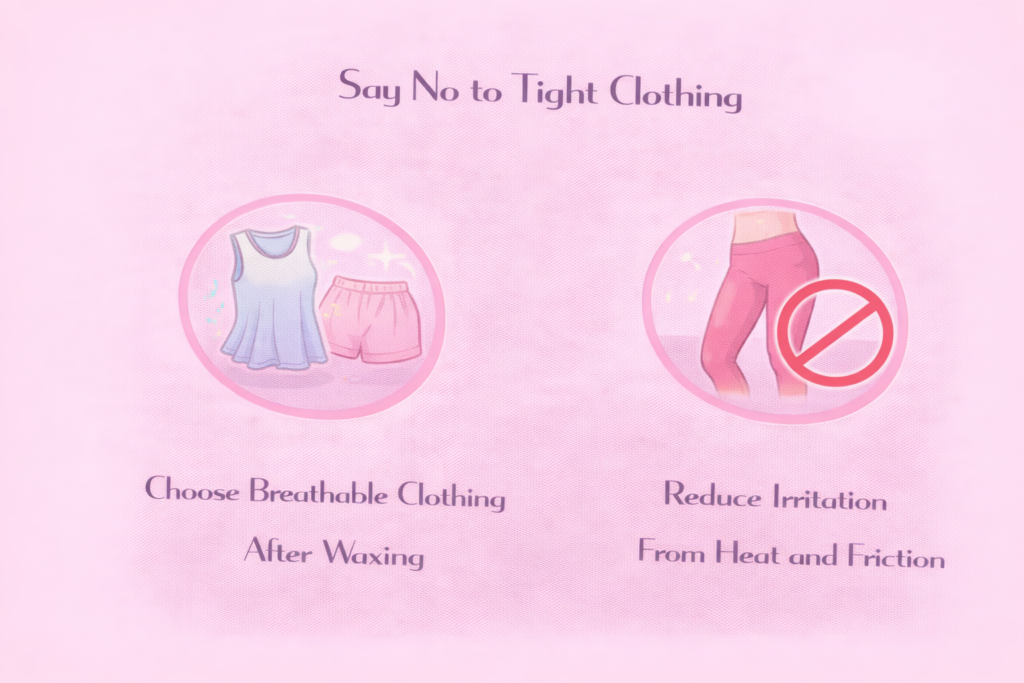
Wearing tight clothing within the first 24 to 48 hours after a Brazilian wax can interfere with healing and increase the risk of complications.
During this period, the skin is more sensitive and the follicles remain open, making the area vulnerable to irritation, redness, and bacterial growth.
Garments such as leggings, skinny jeans, or synthetic underwear trap heat and sweat against the skin, causing friction and creating an ideal environment for chafing, breakouts, or ingrown hairs.
Licensed aesthetician Rhea Souhleris Grous cautions that tight clothing over freshly waxed areas can encourage irritation and lead to bumps or folliculitis.
To protect your results, opt for loose, breathable fabrics like cotton that promote airflow, keep the skin cool, and minimize unnecessary friction—allowing the skin to recover smoothly.
Delay Exfoliation
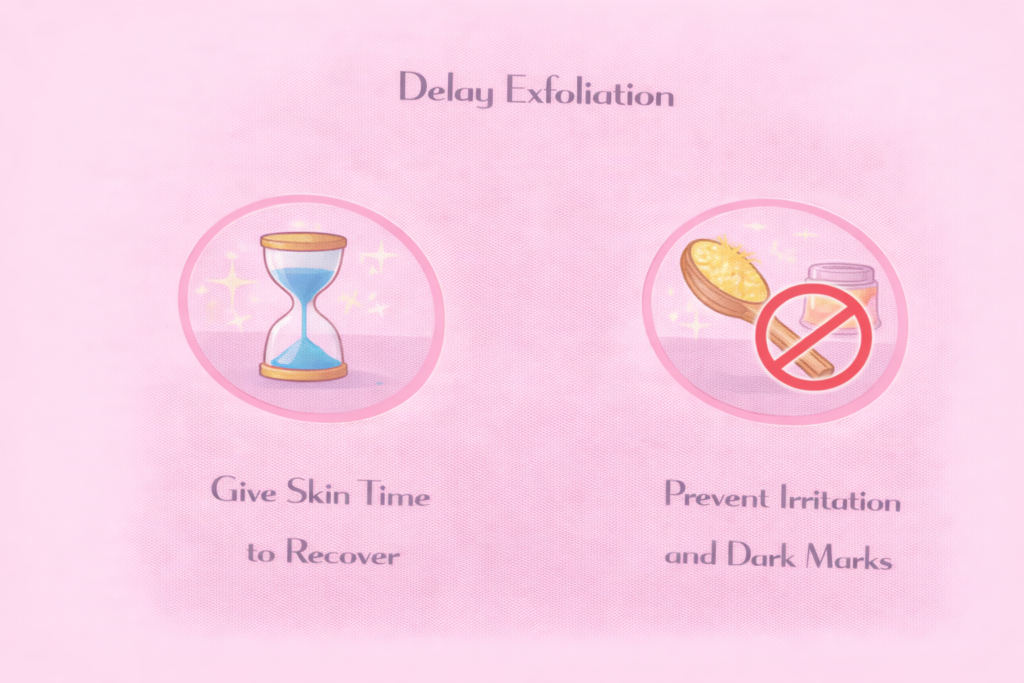
Exfoliating too soon after a Brazilian wax can disrupt the healing process and cause more harm than good. Waxing already removes the top layer of dead skin cells and opens the follicles, leaving the skin vulnerable to irritation from scrubs, acids, or exfoliating tools.
Attempting to exfoliate within the first 48 to 72 hours may trigger redness, burning, microtears, or even breakouts in the delicate waxed area. The American Academy of Dermatology warns that exfoliating inflamed or healing skin increases the risk of irritation and long-term damage.
For individuals with dry, acne-prone, or darker skin tones, this risk extends to post-inflammatory hyperpigmentation, which can be especially difficult to manage.
To protect your skin, wait at least two to three days before resuming exfoliation, and always follow up with a gentle, fragrance-free moisturizer to restore balance and comfort.
Leave Perfume for Later
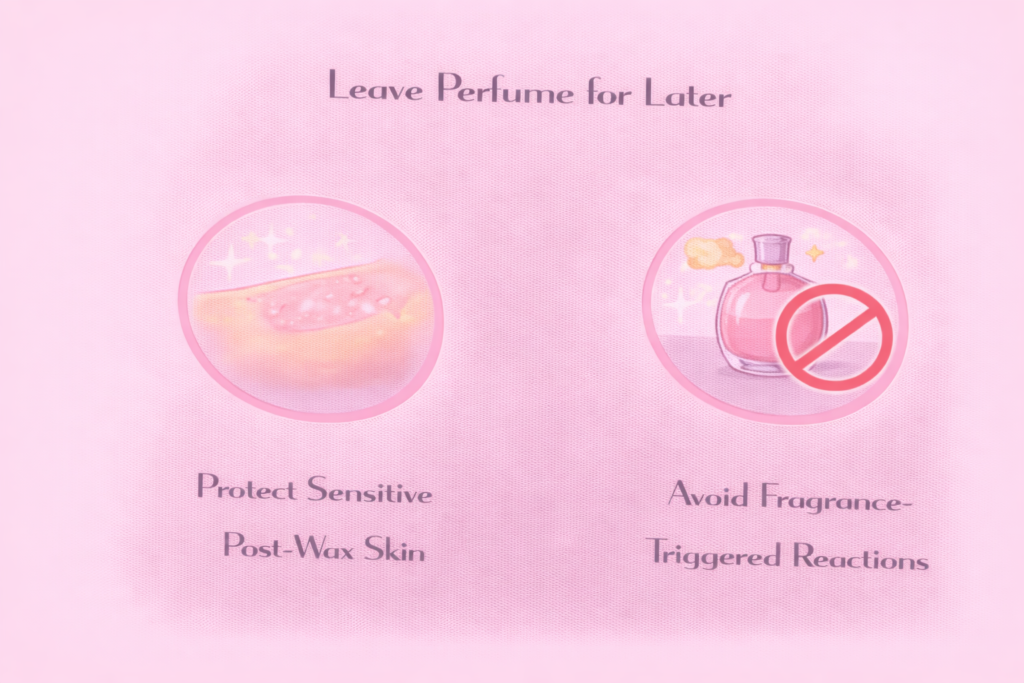
Applying perfumes, body sprays, or scented mists to freshly waxed skin can trigger irritation and allergic reactions.
Right after waxing, the protective barrier is weakened and follicles remain open, leaving the area especially vulnerable to harsh ingredients like alcohol, synthetic fragrances, and even certain essential oils.
Fragrances are among the most common triggers of allergic contact dermatitis, a widespread skin condition that causes redness, burning, and stinging. The American Academy of Dermatology notes that fragrance is a leading culprit in contact allergies, affecting a large portion of the population—even after brief exposure on sensitive skin.
To prevent flare-ups and allow proper healing, avoid fragranced products for at least 24 to 48 hours post-wax, giving your skin time to recover and rebuild its natural defenses.
Put the Razor Away

Reaching for a razor between waxing sessions disrupts the natural hair growth cycle and reduces the effectiveness of your wax results.
While waxing pulls hair out from the root, shaving only cuts it at the surface, leading to uneven regrowth that often feels coarser and is more likely to cause ingrown hairs, irritation, or stubble.
Shaving too soon also irritates the skin while follicles are still healing, which raises the risk of razor burn and infection.
According to Tress Wellness, post-wax shaving can cause hair to grow back thicker and unevenly, interfering with long-term waxing benefits and making future sessions more uncomfortable.
To maintain smooth, healthy results, avoid shaving altogether between appointments and stick to a consistent waxing schedule that allows hair to grow naturally and evenly.
When can I shower after a Brazilian wax?
You should wait 24 hours before showering after a Brazilian wax to minimize the risk of irritation, infection, and inflammation. Waxing removes hair from the root, leaving the hair follicles open and the skin more sensitive. Exposing freshly waxed skin to water—especially hot water, soap, or steam—too soon can disrupt healing and cause redness or bumps.
According to a detailed post-wax shower guide, It’s generally recommended to wait, ideally 24 hours, before showering after a Brazilian wax. This allows the open hair follicles to begin closing, reducing the risk of irritation or infection.
When you shower, use lukewarm water, avoid scented soaps or exfoliants, and gently pat the skin dry to avoid triggering further sensitivity.
How to heal fast after a Brazilian wax?
To heal quickly after a Brazilian wax, it’s essential to focus on cooling, hydrating, and protecting the skin while avoiding activities that can trigger irritation, such as exposure to heat, friction, or bacteria, for at least 24 to 48 hours.
Immediately after waxing, apply a cool compress for up to 20 minutes to reduce redness and soothe inflammation. Follow this with a fragrance-free, alcohol-free moisturizer that contains calming ingredients.
Moisturize the waxed area regularly, preferably with a cream containing antiseptic properties such as tea tree oil, aloe vera, and witch hazel, which will also help soothe the skin. These ingredients are known for their anti-inflammatory and antimicrobial effects, which support faster skin recovery.
To prevent ingrown hairs, begin gentle exfoliation 2 to 3 days after waxing using a soft scrub or exfoliating mitt. During the initial recovery period, avoid tight clothing, hot baths, vigorous exercise, and sexual activity, as these can cause friction or introduce bacteria into open follicles.
If minor bumps or itching develop, apply aloe vera gel or an over-the-counter hydrocortisone cream to calm the skin. However, if symptoms like pus, excessive redness, or pain persist beyond a few days, it’s important to seek medical advice.
Can I use vaseline after Brazilian wax?
Using Vaseline after a Brazilian wax is a controversial practice due to its occlusive nature. While some beauty sources suggest that applying a thin layer may help soothe inflamed skin—stating that If your skin is red and inflamed post-waxing, apply a light layer of Vaseline to the area to promote healing, most dermatologists advise caution, especially on sensitive areas like the bikini line.
According to Dr. Sandra Lee, Petroleum jelly is very occlusive, it can strengthen the skin’s barrier by preventing moisture loss, but she also notes that it is not suitable for all skin types and may be too greasy for some.
Additionally, Dr. Simran Sethi warns that Vaseline does not provide hydration and can potentially clog pores and collect debris, particularly in acne-prone or oily areas. This makes it risky for use on freshly waxed skin, where open follicles are more vulnerable to blockage and irritation.
For post-wax care, dermatologists and waxing professionals often recommend non-comedogenic, fragrance-free moisturizers containing ingredients like aloe vera or witch hazel, which hydrate without trapping bacteria.
How do you clean yourself after a Brazilian wax?
After a Brazilian wax, it’s important to clean yourself gently and hygienically to avoid irritating the freshly waxed area. Use lukewarm water and a fragrance-free, mild cleanser to gently wash the area—avoid hot water, scrubbing, or exfoliating for at least 24 to 48 hours.
Gently pat the skin dry with a clean, soft towel; do not rub. Avoid using any harsh soaps, scented products, or alcohol-based wipes, as these can cause irritation or dryness.
Dermatologists and waxing professionals consistently emphasize the importance of using gentle, pH-balanced, and fragrance-free cleansers to help maintain the skin’s natural moisture barrier and prevent dryness.
If needed, you can also use pre-moistened, unscented feminine wipes (alcohol-free) to freshen up, but only sparingly and not immediately after waxing. Always wear clean, breathable cotton underwear to reduce moisture buildup and friction as your skin heals.
Is it okay to wet after a Brazilian wax?
Yes, it is generally okay to shower after a Brazilian wax, but taking proper precautions is essential to prevent irritation and support healing. Most professionals recommend waiting at least 2 to 3 hours, and ideally 24 hours, before showering. This allows the skin and open hair follicles time to begin recovering.
When you shower, use lukewarm water and a gentle, fragrance-free cleanser, and avoid hot water, it helps calm the skin and prevents irritation or sensitivity.
According to experts, If you’re going to bathe after waxing, try to at least avoid doing so no sooner than 2 hours after hair removal. Additionally, the experts advise, wait 24 to 48 hours so your skin has time to heal and hair follicles can close.
After showering, gently pat the area dry with a clean towel and apply a fragrance-free, hypoallergenic moisturizer to keep the skin calm and hydrated. Avoid additional moisture exposure like swimming pools, hot tubs, or steam rooms during the first 24–48 hours, as these environments can harbor bacteria and irritate sensitive skin.
How long will I be red after a Brazilian wax?
Redness after a Brazilian wax is a normal and temporary skin reaction, typically lasting from a few hours up to 48 hours, depending on your skin type and waxing history.
First-time waxers or those with sensitive skin may notice that redness and mild inflammation linger slightly longer, especially if they are accustomed to shaving or have coarse hair.
According to the experts, redness can last from a few minutes to a few days, depending on your skin sensitivity.
How to sleep after a Brazilian wax?
After a Brazilian wax, it’s important to sleep in a way that reduces friction, heat, and bacteria exposure to help your skin heal properly overnight.
Wear loose, breathable cotton underwear—or go without—to allow airflow and avoid irritating the freshly waxed area. Some experts recommend going commando when sleeping at night (and wearing no underwear on your way home) for up to 4 days after a Brazilian wax.
Sleeping on your back is recommended to prevent direct pressure and friction against the bikini zone. Make sure your bed sheets are clean, as bacteria from used linens can enter open hair follicles and increase the risk of infection. Avoid heavy blankets or tight sleepwear that may trap heat and sweat.
Is coconut oil good after Brazilian wax?
Coconut oil is a popular natural remedy used by many salons and clients after a Brazilian wax due to its moisturizing and antimicrobial properties, especially its high content of lauric acid, which may help reduce bacteria and support healing.
Some waxing professionals recommend applying organic, virgin coconut oil once daily post-wax to calm the skin, reduce redness, and aid recovery without trapping heat. However, medical professionals and dermatologists express serious caution, especially for people with sensitive or acne-prone skin.
According to Healthline, coconut oil has a very high comedogenic rating, meaning it can clog pores and lead to breakouts, particularly in areas like the bikini line. Dermatologist Dr. Beth Goldstein adds that using too much coconut oil can plug the follicles, leading to folliculitis, a painful inflammation or infection of hair follicles.
Waxbarli strongly advises against its use, warning: Coconut oil is highly comedogenic, it can trap heat and bacteria, slow healing, and increase the risk of redness, itching, and ingrown hairs.
Given these risks, experts recommend patch testing first and opting instead for non-comedogenic alternatives like jojoba oil, aloe vera gel, or tea tree–infused aftercare products, which soothe without clogging pores.
While coconut oil may work for some, it’s not universally safe—especially immediately after waxing when the skin barrier is most vulnerable.
Is it okay to pee after a Brazilian wax?
Yes, it is completely okay to pee after a Brazilian wax, but you may notice some temporary changes in how it feels or how the urine flows. Waxing removes hair from the pubic region, including the hair that previously helped channel or direct your urine stream.
As a result, some people experience a sprayed or angled stream immediately after waxing. This is entirely normal and usually settles within a few days as the skin adjusts.
From a viral Reddit comment confirmed by professional waxers, It’s mostly due to the fact that there’s no more hair to direct it straight down, without the hair to draw it away it just runs all over your skin.
How long does it take to recover from a Brazilian wax?
Recovery from a Brazilian wax typically takes between 24 to 48 hours, though for some individuals, especially those with sensitive skin or coarse hair, full recovery can take up to 5 days. Immediately after waxing, it’s normal to experience redness, bumps, and sensitivity as the hair follicles remain open and the skin barrier is temporarily compromised.
Moreover, initial irritation usually fades within 1–2 days, but thicker hair types may require a bit longer and extra care. Most salons and estheticians agree that after 48 hours to 72 hours, the skin is stable enough to resume light exfoliation and moisturization to prevent ingrown hairs.
Adhering to recommended aftercare—like avoiding heat, tight clothing, and friction—supports a smooth, irritation-free recovery.